Dental Implants Calabasas CA for Better Oral Health
Losing a tooth changes more than a smile. It changes the way a person chews, speaks, cleans their teeth, and even how the jawbone holds its shape over time. Patients often come in thinking a missing tooth is mostly a cosmetic issue, especially if the space sits far back in the mouth. After a few months or years, many realize the effects run deeper. Food starts catching in odd places. The opposing tooth may shift. Biting pressure changes. Some people chew on one side for so long that the muscles in the face and jaw begin to feel uneven.
That is where dental implants become important, not just as a replacement for a missing tooth, but as a long-term strategy for preserving oral health. For people researching Dental Implants Calabasas CA, the right conversation is not simply about appearance. It is about stability, bone support, daily function, and how to make a sound decision that still looks natural and feels comfortable.
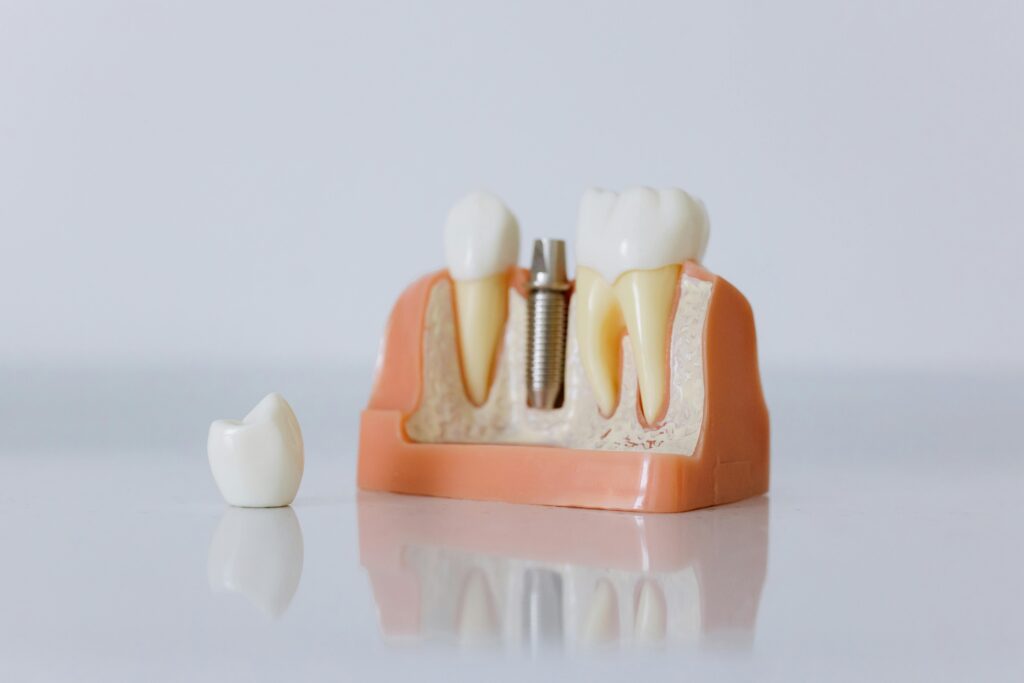
An implant is designed to replace the root of a missing tooth as well as the visible crown. That distinction matters. Bridges and removable appliances can be useful in the right case, but they do not replicate the root in the jawbone. A well-planned implant does, and that difference shapes everything from chewing strength to bone maintenance.
Why missing teeth affect more than your smile
A healthy tooth does a quiet but constant job. Every time you bite and chew, the root stimulates the surrounding bone. That stimulation helps the jaw maintain its density and contour. Once a tooth is gone, the bone in that area no longer receives the same signal. The body begins to resorb what it no longer considers necessary. This process can be slow, which is one reason people underestimate it, but it is real.
The change does not stop at the bone. Neighboring teeth can drift into the open space. The opposing tooth may super-erupt, meaning it grows farther out than it should because it no longer meets resistance during chewing. The bite can gradually become less stable. Small changes pile up. A patient who loses one molar in their forties may not notice much at first, then wonder ten years later why their back teeth feel misaligned or harder to clean.
Speech can also be affected, especially when front teeth are missing. Even a slight shift in airflow changes how certain sounds are formed. This may not sound dramatic on paper, but for someone who speaks publicly, works in sales, or simply wants to feel at ease in conversation, it matters a great deal.
What a dental implant actually is
A dental implant has three basic components. The implant fixture is the part placed in the jawbone. It is usually made of titanium or another biocompatible material. An abutment connects the implant to the visible restoration. The crown is the tooth-colored portion above the gumline.
What makes implants different from many other tooth replacement options is osseointegration, the process in which the bone fuses to the implant surface. When healing goes well and the case is properly selected, the implant becomes a stable anchor. It does not mean the implant is literally identical to a natural tooth, but it can function in a very similar way.
This is one reason implant dentistry requires careful planning. The clinician must think in three dimensions, not only about where the visible crown should sit, but where the root replacement belongs inside the bone. Angle, depth, spacing, gum architecture, bite force, and the patient’s habits all matter.
The oral health benefits patients often notice first
Many people seek treatment because they want to close a visible gap, but the first major benefit they report is usually comfort while eating. Once the restoration is complete, chewing tends to feel more stable and intuitive than it does with a removable partial denture. Patients often describe it as being able to forget about the missing tooth area again.
Another major benefit is easier oral hygiene compared with some alternatives. A traditional bridge can be an excellent option in selected cases, but it requires support from neighboring teeth and often demands special flossing techniques under the pontic. A single implant, by contrast, stands independently. You brush and floss around it with some modifications, but you are not cleaning under a connected span that depends on adjacent prepared teeth.
Bone preservation is the quieter benefit, and the one many patients appreciate more with time. Nobody sees jawbone changes day to day, yet preserving volume in the ridge helps support the gumline and facial contours. It also protects future options. Once a site loses too much bone, treatment becomes more complex, sometimes requiring grafting before an implant can even be placed.
Why local evaluation matters in Calabasas
When people search for Dental Implants Calabasas CA, they are usually not looking for a generic answer. They want care that accounts for their own anatomy, schedule, budget, and expectations. A local consultation matters because implant treatment is personal and surprisingly variable. Two people can be missing the same tooth and need very different treatment plans.
One patient may have strong bone, healthy gums, and enough space to place an implant immediately after extraction or soon after healing. Another may have a cracked molar with an old infection, a sinus that sits low in the upper jaw, and years of bone loss around the site. The end goal may look similar, but the path is not.
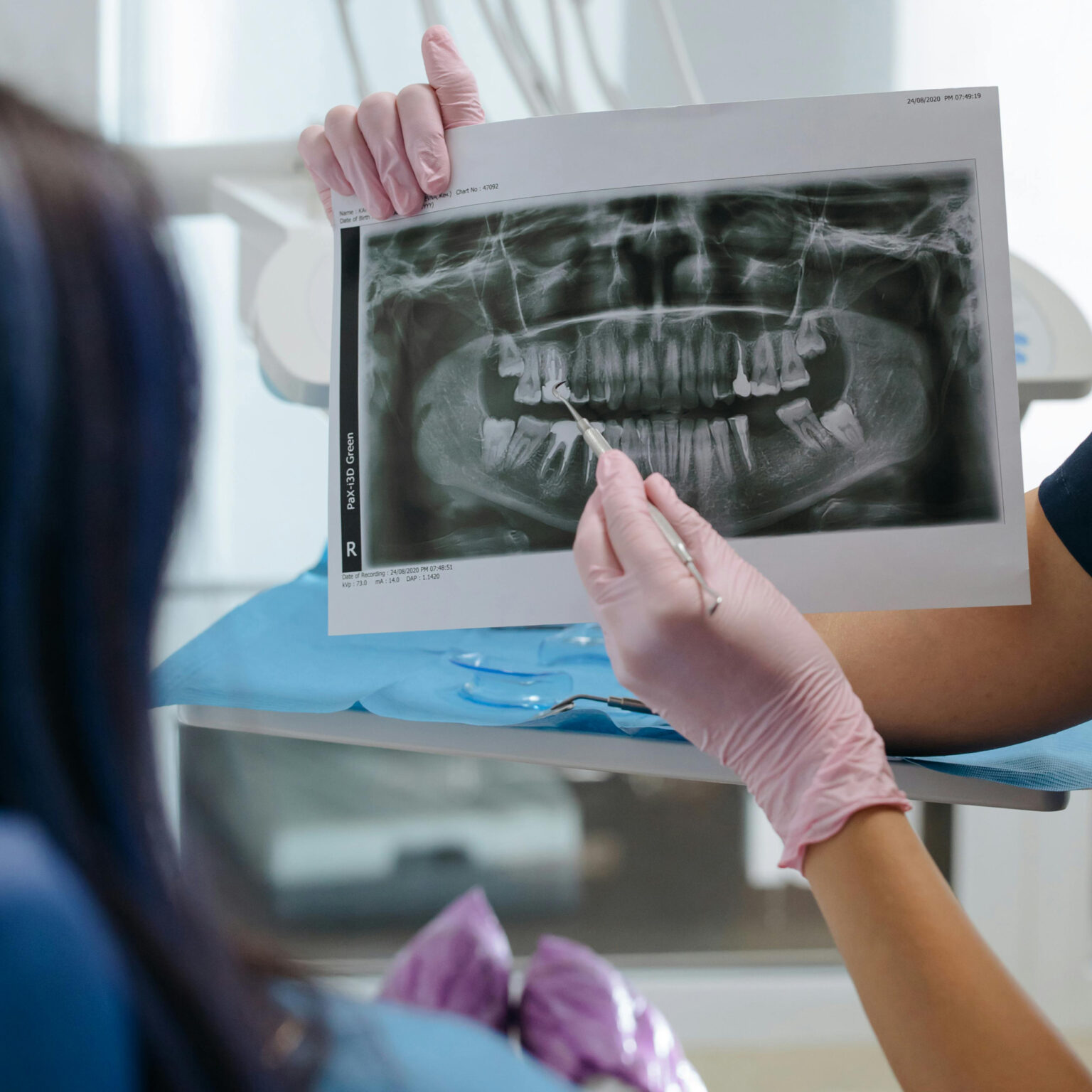
In practice, a thorough implant consultation often includes a clinical exam, a review of medical history, digital imaging, and a conversation about timing. Patients are often relieved to learn that not every case requires a dramatic or lengthy process. Others need the opposite message, which is that rushing can compromise the result. Experience helps in knowing Dental Implants Calabasas CA which is which.
Who tends to be a good candidate
Most healthy adults with a missing tooth, or teeth, can at least be considered for implants. The better question is whether the site and the patient’s health support predictable healing. Healthy gums are a major part of the equation. So is adequate bone volume. Smoking, poorly controlled diabetes, untreated gum disease, and certain medications or health conditions can complicate treatment, though they do not always rule it out.
Bruxism, or heavy grinding and clenching, deserves special mention. These patients can still receive implants, but the case must be planned with bite forces in mind. In some situations the restoration design changes. In others, night guards become essential. The problem is not that implants cannot withstand function. The problem is that relentless overload can damage the crown, screw components, or surrounding bone if the bite is not managed intelligently.
Age alone is rarely the deciding factor in adults. Some of the most satisfied implant patients are older adults who want to regain secure chewing after years of struggling with a loose lower denture or a failing bridge. What matters more than age is healing capacity, oral hygiene, and realistic expectations.
The planning stage is where good outcomes begin
Excellent implant cases rarely happen by accident. They are planned. This is one area patients do not always see, yet it is where much of the quality of the final result is determined.
Digital imaging allows the clinician to assess bone height, width, angulation, and proximity to important structures such as the sinus or the inferior alveolar nerve. The restorative plan should also drive the surgical plan. Put simply, the implant should be placed where the future tooth needs to be, not wherever there happens to be bone. If the available bone is not in the right place, grafting may be the better path.
That point is worth emphasizing because it reflects mature judgment. Shortcuts can look attractive in the moment. A poorly positioned implant may integrate just fine and still create a disappointing crown, an awkward gumline, or a site that is difficult to clean. Patients usually care most about the final tooth. Clinicians know that the final tooth is only as good as the foundation beneath it.
When bone grafting enters the picture
Bone grafting can sound intimidating, but it is common and often straightforward. If a tooth has been missing for a long time, or if infection destroyed part of the socket before extraction, the ridge may not be wide or tall enough to support an implant properly. In those cases, grafting helps rebuild what was lost.
Sometimes a graft is placed at the time of extraction to preserve the socket. This is often called ridge preservation. In other situations, grafting is done months later to prepare for an implant. Upper back teeth sometimes require a sinus lift if the sinus floor sits too low and there is not enough bone height.
Patients naturally ask whether grafting makes treatment significantly harder. It can add time, and in some cases cost, but it often improves the long-term result. The alternative may be an implant placed in a compromised position or a restoration that never looks or feels quite right. When patients understand that grafting is not an upsell but a way to improve predictability, the decision becomes easier to evaluate.
What treatment feels like from the patient side
The surgery itself is usually less dramatic than people expect. With local anesthesia, and often sedation when appropriate, implant placement is commonly well tolerated. Many patients compare the early soreness to the discomfort after an extraction rather than something more severe. The first few days may involve swelling, tenderness, and a soft-food diet, but most people can return to desk work fairly quickly.
Healing takes longer than the appointment itself. That surprises some people. The implant may be placed in under an hour for a single straightforward case, yet the bone needs time to integrate. Depending on the site, the quality of bone, and whether grafting was involved, healing may take a few months before the final crown is attached.
Immediate implants and immediate provisional teeth are possible in selected cases, especially in the front of the mouth where aesthetics are critical. Still, not every case should be rushed into same-day promises. Immediate treatment can be excellent when carefully selected, but stability, gum tissue, and bite conditions have to support it. The right answer is not always the fastest one.
Single implants, multiple implants, and implant-supported dentures
The phrase Dental Implants Calabasas CA covers a wide range of treatment. Some patients need one implant to replace a single tooth. Others need several implants to support a bridge. Still others are dealing with full-arch tooth loss and want an alternative to a removable denture.
A single missing tooth is often the cleanest example of why implants shine. The adjacent teeth remain untouched. You replace the missing tooth without cutting down healthy enamel on either side.
For multiple missing teeth, implants can support a bridge rather than requiring an implant for every single tooth. This can be efficient when the spacing and bite make it sensible. Full-arch cases are a different category altogether. Implant-supported dentures, or fixed full-arch restorations, can dramatically improve stability for patients who struggle with loose lower dentures or extensive tooth loss. These treatments can be transformative, but they also require the most careful maintenance and planning. They are not a set-it-and-forget-it solution.
Cost, value, and the temptation to compare only price
Patients are right to ask about cost. Implant treatment is an investment, and the range can be broad depending on surgery, grafting, restorative materials, sedation, and whether specialists are involved. A straightforward single implant with crown generally costs less than a complex grafted site in the aesthetic zone, and far less than a full-arch rehabilitation.
The trouble begins when treatment is compared only by the headline number. Two quotes may look similar or very different while including very different things. One may cover the implant, abutment, and final crown. Another may not include imaging, temporization, or bone grafting. One office may use a component system with a strong restorative track record. Another may use a bargain approach that creates limitations later.
Value in implant dentistry comes from diagnosis, execution, and follow-through. A lower initial fee can become far more expensive if the implant is poorly positioned, the crown fractures repeatedly, or peri-implant disease develops because the restoration was difficult to clean from the start.
The maintenance side that patients should not ignore
Implants do not get cavities, but they can fail from neglect. The surrounding tissues still need meticulous care. Plaque accumulation around an implant can lead to peri-implant mucositis, and if inflammation progresses with bone loss, peri-implantitis. That condition can threaten the survival of the implant.
Patients sometimes assume an implant is immune to the problems that affect natural teeth. It is not. In some ways it requires more respect, not less. Daily brushing, flossing or interdental cleaning, routine professional maintenance, and early attention to bleeding or soreness all matter.
The basics that keep implants healthier over the long term are simple:
- Keep the gums around the implant clean every day, with techniques tailored to the restoration design.
- Attend regular maintenance visits so inflammation, bite issues, or loose components are caught early.
- Use a night guard if grinding or clenching is part of your pattern.
- Avoid smoking if possible, especially during healing and the months that follow.
- Report changes quickly, including bleeding, a bad taste, mobility, or pressure when chewing.
That list sounds ordinary, but it reflects what experienced clinicians see repeatedly. Successful implants are often the ones supported by boring consistency.
Questions worth asking before starting treatment
A good consultation should leave you more informed, not pressured. If the explanation feels vague or overly sales-driven, that is a signal to slow down. Implants are too important for rushed decisions.
A few questions tend to reveal the quality of planning. Ask how the site will be evaluated, whether a three-dimensional scan is recommended, what the restoration timeline is likely to be, and whether grafting may be needed. Ask what kind of maintenance the office expects after treatment. If aesthetics are critical, especially in the front teeth, ask how the gumline and tissue contours will be managed.
Patients should also ask about Dental Implants Calabasas CA contingencies. What happens if primary stability is not ideal on the day of surgery? Will there be a temporary tooth? Who fabricates the final crown? If the office collaborates with a specialist or a dental lab, that can be a strength when the communication is good. Implant care is often at its best when surgery, restorative planning, and lab work are aligned from the start.
The aesthetic side is more technical than it looks
Posterior implants are mostly judged by function and comfort. Front-tooth implants carry a different burden. They must disappear into the smile. That requires attention not only to the crown shape and shade, but also to the gingival margin, emergence profile, papillae, and the way light reflects off the ceramic.
This is where timing and tissue management become crucial. If a front tooth is removed because of trauma or fracture, the bone and gum architecture may be compromised immediately. Sometimes immediate implant placement and a provisional can preserve the appearance beautifully. Other times delayed placement after grafting produces a more stable result. Neither approach is universally superior. The best choice depends on the tissue biotype, the defect, infection status, and the patient’s bite.
Patients rarely see these variables, but they see the outcome every time they look in the mirror. An implant crown in the front can be technically successful yet still look off if the tissue support is poor. That is why experienced treatment planning matters so much in visible areas.
Why oral health improves when function is restored properly
Better oral health is not a slogan. It usually shows up in practical, measurable ways. Patients chew more evenly. They stop overloading one side. They can clean their mouths more effectively than they could with a poorly fitting removable appliance. They report less food trapping and less gum irritation around neighboring teeth. In some cases, replacing missing teeth also supports better nutrition because patients return to foods they had quietly stopped eating, such as firmer vegetables, lean proteins, nuts, or crustier breads.
There is also a psychological effect that should not be dismissed. People who feel embarrassed by a gap or frustrated by an unstable denture often avoid smiling broadly, eating socially, or speaking with confidence. Restoring a missing tooth can improve those daily experiences in a way that feels disproportionate to the size of the treatment area. That benefit is real, even if it does not fit neatly into a chart note.
Choosing thoughtfully in Calabasas
People looking into Dental Implants Calabasas CA are often balancing several goals at once. They want a result that looks natural, functions well, lasts, and fits their budget without unpleasant surprises. The best path usually starts with an honest diagnosis and a treatment plan that respects biology more than marketing.
Some cases are simple. Others need patience. The key is to choose a process that gives the implant the right foundation, the restoration the right position, and the patient a clear understanding of maintenance. When those pieces line up, implants do more than fill a gap. They help preserve the jaw, protect neighboring teeth, restore confident function, and support healthier habits for years to come.
Oaks Dental
5000 Parkway Calabasas, Suite 308
Calabasas, CA 91302, United States
Phone: +1 (818) 412-8349
FAQ About Dental Implants Calabasas CA
How much does a dental implant cost in California?
Costs vary with the number of teeth replaced, restoration type, imaging, and any extractions or bone grafting. Request an itemized estimate after an examination; a single advertised price may not include every treatment stage.
Can people with autoimmune disease get dental implants?
Some people may qualify, but the condition, medications, oral health, and healing risks require individual assessment. Share your medical history with your dentist, who may coordinate with your treating physician.
Can you have dental implants if you have osteopenia?
Osteopenia does not by itself establish whether implants are suitable. Your dentist must evaluate jawbone support and review bone-related medications and other risks before recommending treatment.