How Dental Implants Are Customized for a Natural Look
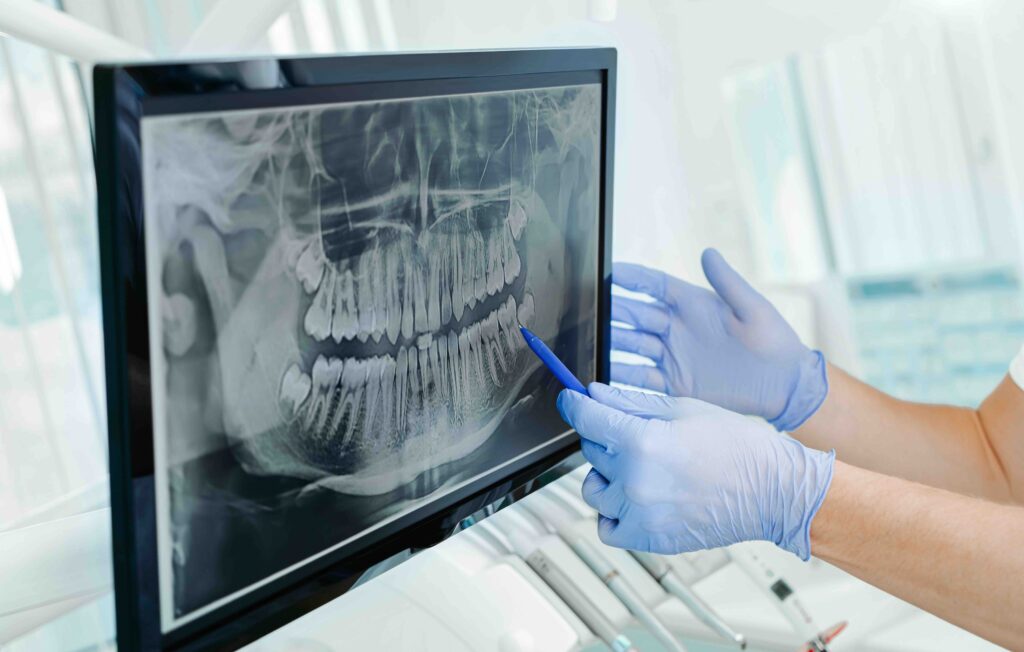
The best dental work is often the work no one notices. When a dental implant is planned Dental Implants and restored well, people tend to comment that someone looks healthier, more rested, or more confident. They do not usually say, “That tooth looks like an implant.” That difference matters. Replacing a missing tooth is not only about filling a space. It is about recreating shape, color, contour, function, and the way light moves across enamel and gum tissue.
Patients are often surprised by how much artistry goes into Dental Implants. The implant itself, the part placed in the bone, is hidden. What the world sees is the restoration above it, and that visible result depends on dozens of small decisions made long before the final crown is seated. The most natural cases are rarely accidental. They come from careful diagnosis, planning, communication between clinician and lab, and realistic judgment about what the mouth can support.
A natural-looking implant starts with a simple truth: a tooth does not exist in isolation. It sits in a smile line, framed by lips, cheeks, neighboring teeth, and gum architecture. The dentist has to think like a surgeon, a prosthetic designer, and in many cases, a sculptor.
Natural does not mean identical, it means believable
One of the common misunderstandings around cosmetic dentistry is the idea that the replacement tooth must be a perfect clone of the tooth that was lost. In practice, “perfect” often looks artificial. Natural teeth have subtle asymmetries, translucent edges, tiny shifts in hue, and surface texture that catches light in a specific way. The goal is usually not a stark, uniform, camera-ready white tooth. The goal is a restoration that belongs in that mouth.
A front tooth illustrates this better than any other area. If the neighboring teeth show a little gray translucency at the incisal edge, the implant crown should not look like opaque porcelain chalk. If the adjacent central incisor has faint vertical texture lines, a completely flat and glossy crown will stand out. If the patient is in their sixties and has naturally warm enamel with slight wear, giving them a bright blue-white crown can make the implant look isolated, even if the shape is technically good.
That is why customization is not one single step. It is a chain of decisions, each one affecting the next.
It begins with the face, not the tooth
The planning process often starts farther back than people expect. Before the implant is placed, the dentist studies facial proportions, lip support, smile width, gum display, bite pattern, and the position of the missing tooth relative to the opposing arch. A natural-looking result has to work when the patient is speaking, laughing, and biting, not just when they are reclining under overhead lights.
In a patient with a high smile line, where a good amount of gum tissue shows, the margin between crown and gum becomes critical. Even a small discrepancy in tissue height can be noticeable. In a patient with a low smile line, the same difference may be clinically present but visually irrelevant. That affects how aggressive the team needs to be with tissue shaping and how much emphasis is placed on tiny esthetic details.
Photos are often more important than patients realize. Not glamour shots, practical reference photos. Frontal, profile, retracted views, and images of the patient smiling naturally can help determine how much of the tooth is visible and what kind of contour will look right. If the patient has older photos of their natural tooth before it was lost or fractured, those can be extremely helpful. They do not guarantee duplication, but they give the clinician and ceramist a target.
Implant position drives the final appearance
Many esthetic problems blamed on the crown actually begin with implant placement. A beautifully made crown cannot fully rescue an implant placed too far facially, too deep, too shallow, or at a poor angle. Position determines where the crown emerges from the gum and how naturally it aligns with the neighboring teeth.
For a front tooth, a small positional error can create a bulky emergence profile, flattened gum contour, or a crown that looks slightly “stuck on” rather than growing out of the gum naturally. This is why guided planning, surgical templates, and prosthetically driven placement have become so important. Instead of placing the implant where bone is simply easiest, the team starts by asking where the final tooth needs to be, then works backward.
There are cases where anatomy limits the ideal position. Bone resorption after extraction is common, especially in the upper front region. When the bone has shrunk, the surgeon may need grafting to rebuild the site before or during implant placement. That extra step does not just support stability. It supports appearance. Without enough bone volume, the overlying gum tissue often loses shape, and the final crown can look long or unnatural.
Bone and gum tissue create the frame
Patients tend to focus on the crown because that is what they can see in a mirror. Clinicians know the soft tissue frame often determines whether the result looks lifelike. A natural tooth emerges through gum tissue with a certain scallop and fullness. When a tooth is lost, that architecture can collapse quickly. The longer the site remains empty, the more difficult it can be to reproduce the original contours.
Grafting is one of the most important customization tools for natural-looking Dental Implants. Bone grafting helps preserve or rebuild ridge volume. Soft tissue grafting can thicken thin gums and improve contour. In the anterior maxilla, where esthetic demands are highest, tissue thickness matters more than many patients realize. Thin tissue is less forgiving. It can show underlying shadowing and, in some situations, reveal the outline or color of the abutment beneath the crown.
A thick, healthy tissue biotype tends to produce a more stable and natural frame over time. It also gives the restorative team more ability to sculpt emergence and papilla support, the small triangular gum peaks between teeth. When those papillae are absent or flattened, even a well-matched crown can still look artificial because the overall composition is off.
I have seen patients fixate on shade when the real issue was contour. Once the tissue shape was corrected and the crown profile adjusted, the “wrong color” complaint often faded, because the tooth finally looked like it belonged.
The temporary phase is where much of the artistry happens
In many well-executed implant cases, the provisional restoration does more than fill space while healing. It acts like a test drive and a shaping tool. A custom temporary crown or provisional can guide soft tissue into a more natural contour before the final crown is made.
This is especially valuable in the front of the mouth. By adding or reducing material in precise areas of the temporary, the dentist can encourage the gum to adapt into a more harmonious shape. That process takes patience. Tissue responds over weeks, not hours. Rushing to the final crown too soon is a common reason otherwise good implant cases look average.
The temporary phase also allows the patient to evaluate visible features in real life. They can see whether the tooth length feels right, whether speech is comfortable, and whether the contour supports the lip naturally. Small refinements made during this phase give the lab a clearer blueprint for the final restoration.
For many patients, this is reassuring. They learn that customization is not guesswork done in one appointment. It is an iterative process.
Shade matching is more complex than “make it white”
Color matching is one of the most misunderstood parts of implant esthetics. Teeth are not one color from top to bottom. A natural tooth may be warmer at the cervical area near the gum, more saturated in the body, and more translucent at the edge. Surface texture also changes how bright a tooth appears. A very smooth, reflective surface can look lighter under direct light than a textured one, even if the underlying shade is similar.
A good shade match often involves several observations:
- Overall hue, such as warm, neutral, or grayish
- Value, meaning how light or dark the tooth appears
- Chroma, or the intensity of the color
- Translucency and opalescence at the incisal edge
- Surface texture and luster
Lighting matters. A crown that looks fine under operatory lights can look too bright in daylight. That is why some dentists take shade photos with neutral backgrounds and color tabs, and some work closely with ceramists who review high-quality images rather than relying on a brief written note.
Material selection also influences the result. Zirconia, layered porcelain, lithium disilicate in certain indications, and hybrid approaches each have strengths and limitations. In a posterior tooth, durability may dominate the discussion. In a central incisor, the balance may shift toward optical behavior and fine characterization. A highly translucent material may look beautiful, but if the underlying structure is dark, it may transmit that darkness. An opaque material may block shadowing, but it can lose vitality if overused.
This is where experience matters more than slogans. There is no “best” material in the abstract. There is only the best material for that specific site, tissue type, bite force, and esthetic demand.
The hidden parts matter just as much
Patients understandably focus on the crown, but the abutment, the connector between implant and crown, plays a major role in appearance. The abutment affects support, emergence profile, and in some cases the color that subtly shows through the tissue.
Custom abutments are often used when esthetics are a priority. Rather than relying on a stock component, the abutment is designed to support the crown and tissue contours more precisely. This can be especially important in the front of the mouth, where a standard shape may not create the most natural transition from implant to visible tooth.
The choice between titanium and tooth-colored materials such as zirconia for abutments depends on the case. Titanium is strong and reliable, but in very thin tissue it can sometimes create a gray cast. Zirconia abutments can improve optical outcomes in selected anterior cases, though they must be used thoughtfully based on design and loading. Again, this is not a one-size-fits-all decision.
Digital planning helps, but the eye still matters
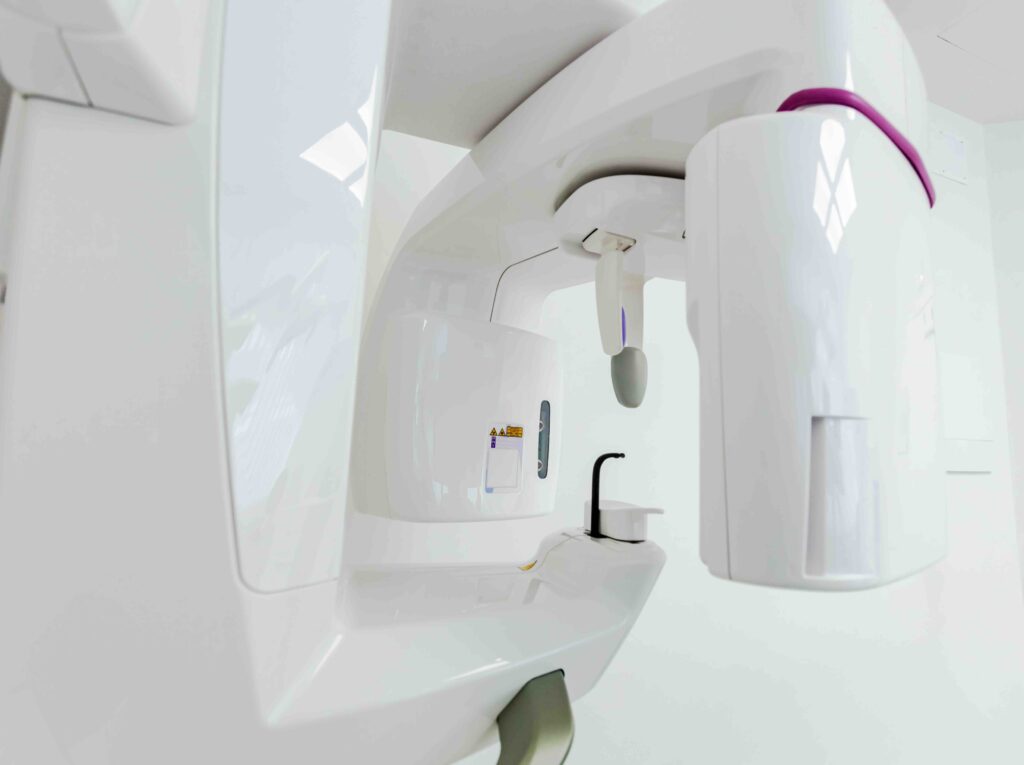
Digital workflows have improved implant customization significantly. Cone beam imaging shows bone anatomy in three dimensions. Intraoral scanners capture neighboring teeth and bite relationships with impressive detail. Smile design software, digital wax-ups, and printed surgical guides make planning more precise than it was a decade ago.
These tools are valuable because they reduce guesswork. They help the surgeon place the implant where the final tooth should be. They help the restorative dentist and lab preview contours. They improve communication. If a patient has a narrow lateral incisor and subtle rotation on the adjacent canine, that information can be preserved and translated more accurately.
Still, software does not replace judgment. A scan can capture shape, but it does not decide whether matching slight asymmetry will look more natural than correcting it. A program can simulate tooth position, but it cannot fully predict how a patient’s lip moves when they laugh spontaneously. The best digital cases are guided by a trained human eye.
I have seen digital plans produce restorations that were technically symmetrical and esthetically dead. They looked designed, not lived-in. The correction was not more technology. It was better observation.
Front teeth and back teeth are customized differently
The phrase Dental Implants covers very different demands depending on location. A lower first molar replacement needs to look natural, but function and load distribution usually lead the plan. A maxillary central incisor demands microscopic attention to contour, shade, and tissue behavior because the eye goes there immediately.
Back teeth must still be shaped carefully. Overly flat chewing surfaces can affect function. Over-contoured crowns can trap plaque or irritate tissue. Even though posterior implants are less visible, they still need to harmonize with adjacent anatomy. A crown that is too wide or too tall can feel “wrong” to the patient within days, even if it appears acceptable in a photograph.
In the front, the tolerance for error shrinks dramatically. Half a millimeter can matter. Timing matters too. If an anterior tooth is extracted and the site is managed properly from the start, preservation of tissue and esthetics is often Dental Implants much easier than trying to rebuild a collapsed ridge years later.
There are real trade-offs, and good dentists discuss them
Natural-looking implant dentistry is full of balancing acts. A patient may want the brightest possible tooth, but their surrounding dentition may make that choice stand out. A surgeon may want a slightly different implant angle to maximize bone stability, while the restorative dentist prioritizes crown emergence. A patient may prefer to avoid grafting, but that decision can reduce the esthetic ceiling of the case.
Some of the most important trade-offs include the following:
- Immediate placement versus delayed placement, which affects healing pattern and risk profile
- Stronger materials versus more translucent materials in visible areas
- Shorter treatment time versus more time for tissue shaping and maturation
- Lower cost components versus custom parts that improve esthetics
- Accepting current gum architecture versus investing in grafting to improve the frame
The right choice depends on anatomy, goals, budget, timeline, and how visible the area is when the patient smiles. A thoughtful clinician explains these trade-offs clearly rather than promising a flawless result under every condition.
The lab technician is part of the esthetic team
Patients may never meet the ceramist or lab technician who fabricates their implant crown, but that person can have an enormous influence on the final look. The best restorative dentists communicate well with their lab. They send clear photos, detailed prescriptions, tissue information, shade references, and feedback from the provisional phase.
When communication is weak, restorations often come back generic. The shape may be too idealized, the line angles too soft or too sharp, the incisal edge too uniform, or the color too monochromatic. When communication is strong, the crown can pick up the personality of the neighboring teeth, right down to tiny developmental ridges or controlled translucency.
This is one reason boutique esthetic implant cases sometimes involve several try-in appointments. To an outsider, that can seem excessive. In reality, it is often what separates a merely acceptable crown from a restoration that disappears into the smile.
Time changes the result, for better or worse
A natural look is not only about day one. It is about how the implant restoration ages. Tissue stability, hygiene access, bite forces, and material wear all influence whether the result still looks harmonious years later.
An implant does not erupt or drift exactly like a natural tooth. Neighboring teeth can shift subtly over time. Gum levels can change with inflammation, brushing trauma, or systemic factors. If the implant crown was over-contoured from the beginning, plaque retention can lead to tissue irritation that compromises esthetics. If the patient clenches heavily, wear or chipping in the opposing arch can make the implant restoration seem increasingly mismatched.
This is why maintenance is part of customization. The best-looking implant cases are monitored, cleaned properly, and adjusted when needed. Sometimes a small occlusal refinement or replacement of a worn crown after many years is what preserves a natural appearance.
What patients can ask if appearance matters most
Patients do not need to become experts, but a few good questions can reveal how much attention a practice gives to esthetics. Useful questions include these:
- How will you plan the final tooth position before surgery
- Will I need bone or gum grafting to support a natural appearance
- Do you use custom temporaries to shape the tissue when needed
- How is shade selected and communicated to the lab
- Who makes the final crown, and how much experience do they have with anterior implant esthetics
Those questions tend to shift the conversation beyond price and procedure length. They focus on the details that patients usually notice only after treatment is complete.
When the site is challenging
Not every case begins under ideal conditions. Some patients have been missing a tooth for years. Others arrive after trauma, infection, failed root canal treatment, or gum recession. Smokers and patients with a history of periodontal disease can present additional challenges. Natural-looking outcomes are still possible in many of these situations, but the treatment plan often needs to be more deliberate.
For example, replacing a long-missing upper lateral incisor may require orthodontic space correction, ridge grafting, tissue grafting, a provisional phase for sculpting, and only then a final crown. That may sound like a lot, but when each stage is justified, it produces a result that photographs well and holds up in conversation distance, which is where most smiles are judged.
On the other hand, not every difficult site can be made to look indistinguishable from the original tooth. Ethical treatment includes saying so. If tissue loss is severe, the patient should understand the limits before committing. Sometimes the success of the case lies in making the restoration attractive and harmonious, even if it cannot fully recreate what nature once provided.
Why some implant crowns look fake
When implant restorations look unnatural, the problem usually comes from one or more predictable issues. The crown may be too opaque, too bright, too long, too narrow, or too bulbous near the gum. The tissue may be recessed or uneven. The contact points may be poorly designed, leaving dark triangles. The implant may have been placed in a position that forced compromise. Occasionally, the restoration looks fake simply because it is too perfect compared with the surrounding teeth.
That last point is easy to overlook. Real smiles have character. Tiny irregularities often make a restoration more convincing, not less. The skilled clinician knows when to smooth and refine, and when to preserve a little individuality.
A natural-looking implant is the result of discipline more than decoration. It depends on diagnosis, tissue management, surgical accuracy, restorative planning, material science, and a nuanced understanding of how teeth actually look in the real world. When those elements come together, the implant does what the best dentistry has always done, it restores without calling attention to itself.
Oaks Dental
5000 Parkway Calabasas Suite 308
Calabasas, CA 91302, United States
+1 818-431-2000
FAQ About Dental Implants
What is the downside of a dental implant?
Implants require surgery and a healing period that can last several months. Possible complications include infection, nerve or sinus injury, damage to nearby teeth and failure to bond with bone. Your dentist should assess your health, bone support and alternatives before recommending treatment.
What do dental implants typically cost?
There is no single price for every implant case. The number of teeth replaced, implant components, final restoration and any grafting or extractions affect the total. Request a written estimate covering every stage and confirm insurance benefits and out-of-pocket costs with the practice.
How long do tooth implants last?
An implant can provide long-term support and may last a lifetime with good oral hygiene and regular dental care, but this is not guaranteed. The crown or other restoration may need replacement sooner. Smoking, gum disease and some health conditions can reduce implant success.